
Summer is the season of beach trips, backyard cookouts, and — whether you like it or not — a whole lot of laundry. Between sandy swimsuits, sweaty workout clothes, and piles of damp towels, your washing machine works harder in summer than almost any other time of year. And with that extra workload comes extra risk. Two of the most common complaints we hear from homeowners this time of year? Leaks and that unmistakable musty, mildew smell. If either of those sounds familiar, keep reading — because catching these warning signs early can save you from a much bigger (and more expensive) problem down the road.
The Leak Problem
When you’re running load after load of beach gear, sports uniforms, and oversized towels, your washing machine’s hoses are under more pressure than usual. Those rubber supply hoses — the ones connecting your machine to the water valves on the wall — are built to handle regular use, but they don’t last forever. Over time, heat and repeated stress cause rubber to degrade. Hoses can develop small cracks, begin to bulge near the fittings, or loosen at the connection points, allowing water to seep out slowly or, in worse cases, burst suddenly.
Summer heat accelerates this process. Higher ambient temperatures cause rubber to expand and contract more dramatically, weakening the material faster than it would in cooler months. If your machine has been in place for five years or more and the hoses have never been replaced, summer is the right time to take a closer look.
Homeowner tip: Pull your washing machine away from the wall slightly and inspect the hoses. Look for any visible cracks, soft spots, or bulging — especially near the metal fittings at each end. Check for moisture or mineral deposits around the connections, which can indicate a slow drip. If anything looks off, don’t wait. A failing hose can cause serious water damage in a short amount of time.
The Mildew Smell Problem
If you’ve ever opened your washing machine and been hit with a sour, musty odor, you already know how unpleasant this problem can be. That smell is mold and mildew, and it thrives in exactly the conditions your washing machine creates: warmth, moisture, and darkness.
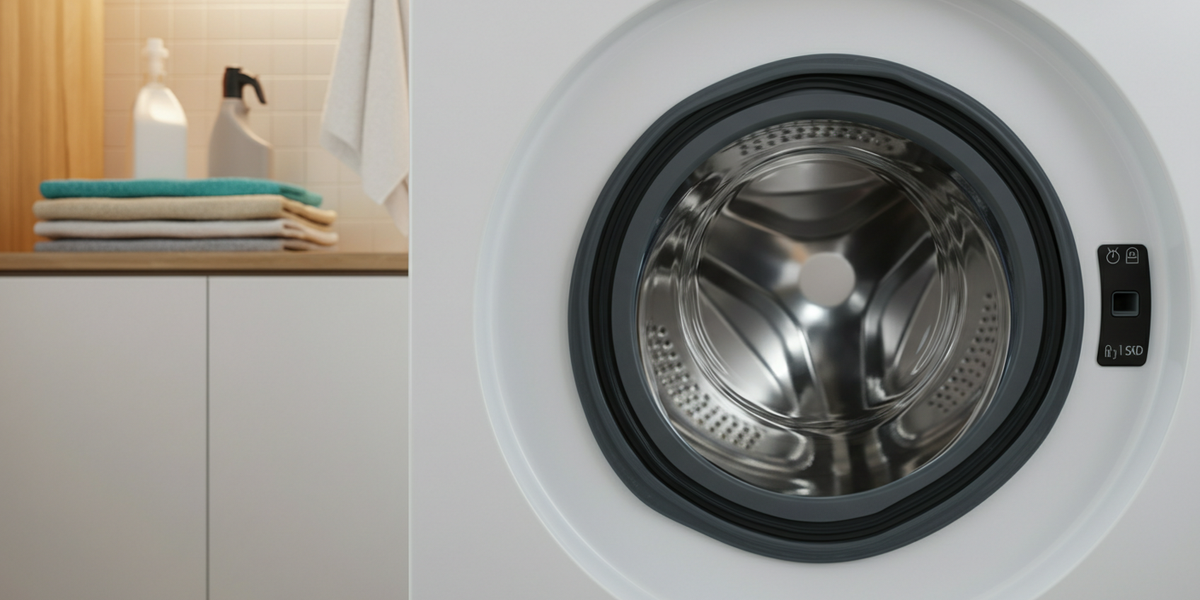
Front-loading washers are especially prone to this issue. The rubber door gasket — that thick seal around the opening of the drum — is designed to keep water inside during a cycle, but it’s also a prime hiding spot for trapped moisture, detergent residue, and lint. In summer, when indoor humidity is higher and temperatures are warmer, mold and mildew can take hold faster than you’d expect. Once the smell sets in, it can transfer to your freshly washed clothes, which defeats the whole purpose of doing laundry in the first place.
Top-loading machines aren’t immune either. Residue can build up under the drum lid and around the agitator, creating similar conditions for mildew growth.
Homeowner tips to fight the mildew smell:
- Wipe down the rubber door seal after every wash. Use a dry cloth or paper towel to remove any standing moisture from the gasket folds. This simple habit makes a big difference.
- Run a cleaning cycle regularly. Most modern washers have a dedicated cleaning cycle — use it once a month with a washing machine cleaner tablet or a cup of white vinegar and baking soda. This flushes out residue and kills mildew at the source.
- Leave the door ajar between washes. It feels counterintuitive, but letting air circulate inside the drum after a cycle is one of the most effective ways to prevent mildew from forming. Even cracking the door a few inches helps.
Why Summer Makes It Worse
It’s not just one thing — it’s everything at once. Summer combines higher usage frequency, elevated heat, increased indoor and outdoor humidity, and the specific types of items being washed (think heavy, water-logged towels and synthetic athletic fabrics that trap moisture). Each of these factors puts additional strain on your machine’s components, from the hoses and pump to the door seals and drum bearings.
The result is that problems that might have stayed minor through the rest of the year can escalate quickly during the summer months. A hose that was just starting to show wear in April might fail entirely by July. A faint mildew smell in May can become a persistent odor that’s soaked into the drum lining by August. Summer doesn’t create these problems from scratch — but it absolutely speeds them up.
That’s why this is the best time of year to pay attention to how your machine is performing. Strange noises, longer cycle times, water pooling on the floor, or clothes that come out smelling less than fresh are all signs that something needs attention.
We’re Here to Help
At Mount Prospect Appliance Repair, we’ve been helping local homeowners keep their appliances running smoothly through every season. If you’ve noticed a leak, a persistent mildew smell, or anything else that doesn’t seem quite right with your washing machine, don’t put it off. These issues rarely fix themselves — and the longer they go unaddressed, the more damage they can cause.
Our experienced technicians can inspect your machine, identify the root cause, and get it back to working order quickly and affordably. We know the Mount Prospect area, we know appliances, and we’re committed to giving you honest, reliable service every time.
Contact Mount Prospect Appliance Repair today to schedule an inspection or repair. Your washing machine — and your laundry — will thank you.