
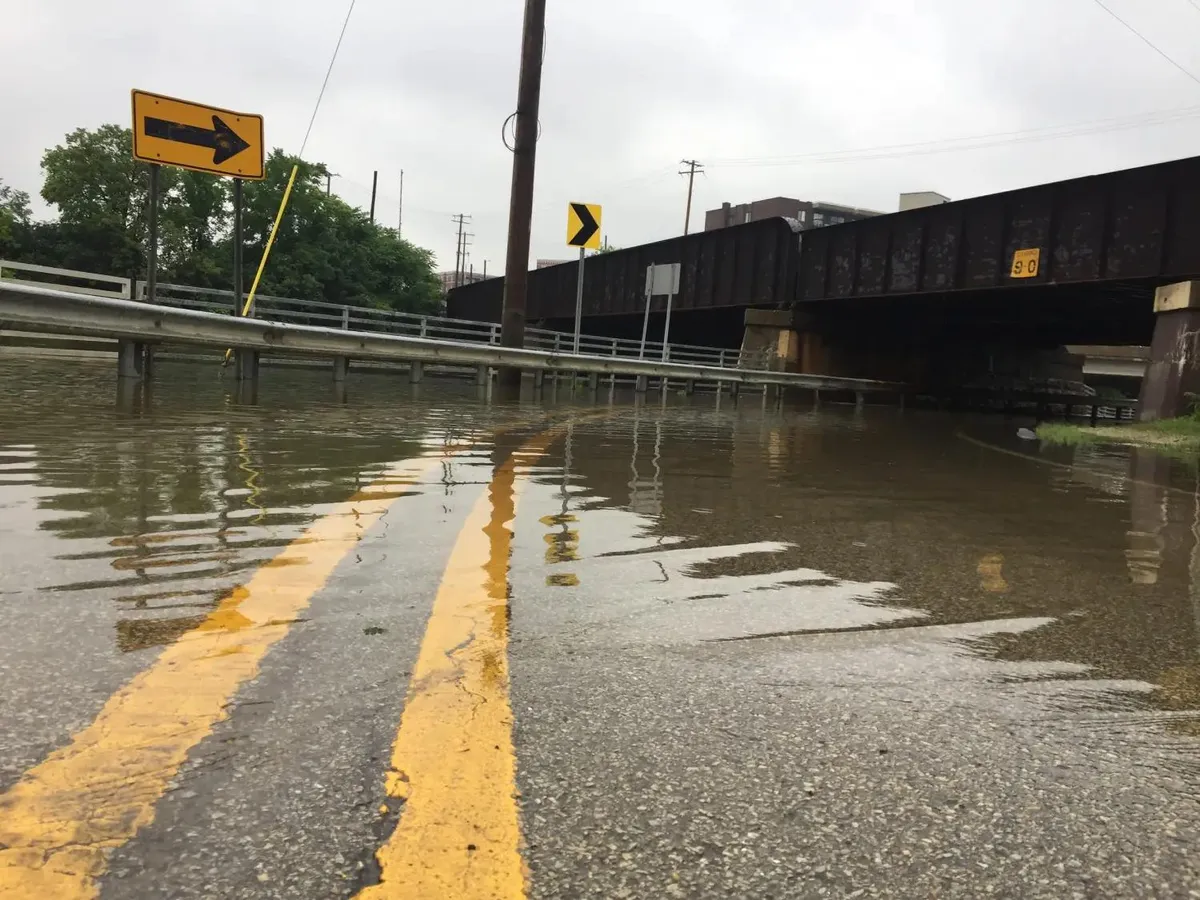
An appliance that was reached by floodwater needs assessment before it is used again. A dry exterior doesn’t show whether water or contamination reached wiring, controls or gas components inside.
Deal with gas and electricity first
If you smell gas, leave immediately without operating switches or appliances. From a safe location, call 911 or Nicor Gas at 888 642 6748. Nicor’s storm guidance says not to operate gas appliances that have been submerged.
If water has reached electrical equipment, turn off power at the main panel only when the panel and the route to it are dry. Don’t enter standing water or reach for a wet plug. Ask an electrician to disconnect power if you cannot reach it safely. CDC guidance explains these precautions.
Separate water exposure from a power interruption
An appliance that stayed dry during an outage isn’t automatically flood damaged. If water reached the appliance, its outlet or its wiring, leave it off until it has been assessed. Don’t run a washer or dishwasher cleaning cycle to test equipment exposed to floodwater.
The Electrical Safety Foundation explains that drying alone may leave contamination and damage inside electrical equipment. An electrician can assess the affected electrical supply. Ask the appliance manufacturer or an appropriately qualified service provider whether the appliance can be repaired or needs replacement.
Gather information once access is safe
Photograph the visible water line and model label without moving or reconnecting equipment. Record how high the water rose, whether the appliance was running and what happened when power was lost. Keep this information for the manufacturer, service provider and insurer.
For a refrigerator that lost power, check food temperatures before using the contents. Follow the FDA’s outage food guidance rather than judging food by smell or appearance.